September 16, 2026
Managing water runoff on unusual properties requires careful planning and the right approach. Whether your yard features steep hillsides, rocky soil, or tight surrounding structures, unmanaged water can cause serious damage to your foundation. Understanding how water interacts with your specific terrain helps keep your home dry and structurally sound. Taking early steps to address drainage prevents costly structural issues and protects your living spaces year after year. Every property faces unique environmental conditions, but implementing proper water management techniques protects your home from unnecessary foundation strain.
Understanding Unique Property Landscapes
Every piece of land comes with distinct geographical features that dictate how rainwater moves. Identifying these natural traits is the first step toward building a reliable drainage strategy.
Evaluating Soil Characteristics
Soil types determine how quickly rainwater absorbs into the ground. Heavy clay soil holds onto moisture for extended periods, creating heavy hydrostatic pressure against foundation walls. Sandy soil allows water to pass through quickly, which can wash away loose dirt near your home. According to This Old House, you should consult a landscape specialist or civil engineer if your land sits close to a cliff, includes a septic tank, or has a slope above 5%. Knowing what lies beneath your grass helps you choose effective drainage systems.
Assessing Natural Water Paths
Observing how rainwater travels across your yard during heavy storms reveals critical collection points. Water naturally flows toward low-elevation areas, where pooling occurs if the liquid has nowhere else to go. Obstacles like large boulders or buried tree roots can block natural flow patterns, forcing water toward your home. Identifying these routes lets you redirect water safely away from vulnerable foundation walls. Combining exterior drainage strategies with reliable basement waterproofing protects your home against rising water tables during heavy storms.
Mapping Slope Challenges
Rolling hills and steep inclines present unique obstacles for property drainage. Uneven terrain speeds up surface runoff, which carries topsoil away and leaves foundation footings exposed. Creating a clear visual map of your property's elevation shifts makes it easier to plan custom drainage channels. Proper planning prevents water from collecting along low spots near your foundation.
Implementing Effective Drainage Solutions
Addressing water movement requires reliable systems designed to handle heavy volume and tough soil conditions.
Installing French Drain Systems
French drains provide a dependable method for collecting and diverting excess water away from high-risk zones. These underground systems use perforated pipes set inside gravel-filled trenches to capture subsurface water before it reaches your home. As groundwater rises, it enters the pipe and flows smoothly down a calculated slope toward a safe discharge area. Placing these drains along hillsides or near house perimeters stops water from settling against buried foundation walls.
Diverting Runoff Away From Foundations
Downspouts and surface swales play an essential role in keeping rainwater moving in the right direction. Extending gutter downspouts away from the exterior walls prevents concentrated roof runoff from soaking into the soil nearby.
Shallow grassy channels, known as swales, guide surface water around the sides of your home toward natural drainage outlets. Keeping surface water moving prevents saturated ground conditions from putting pressure on your foundation. Adding effective basement waterproofing prevents dampness from ruining finished walls and floor coverings.
Protecting Basements From Moisture Intrusion
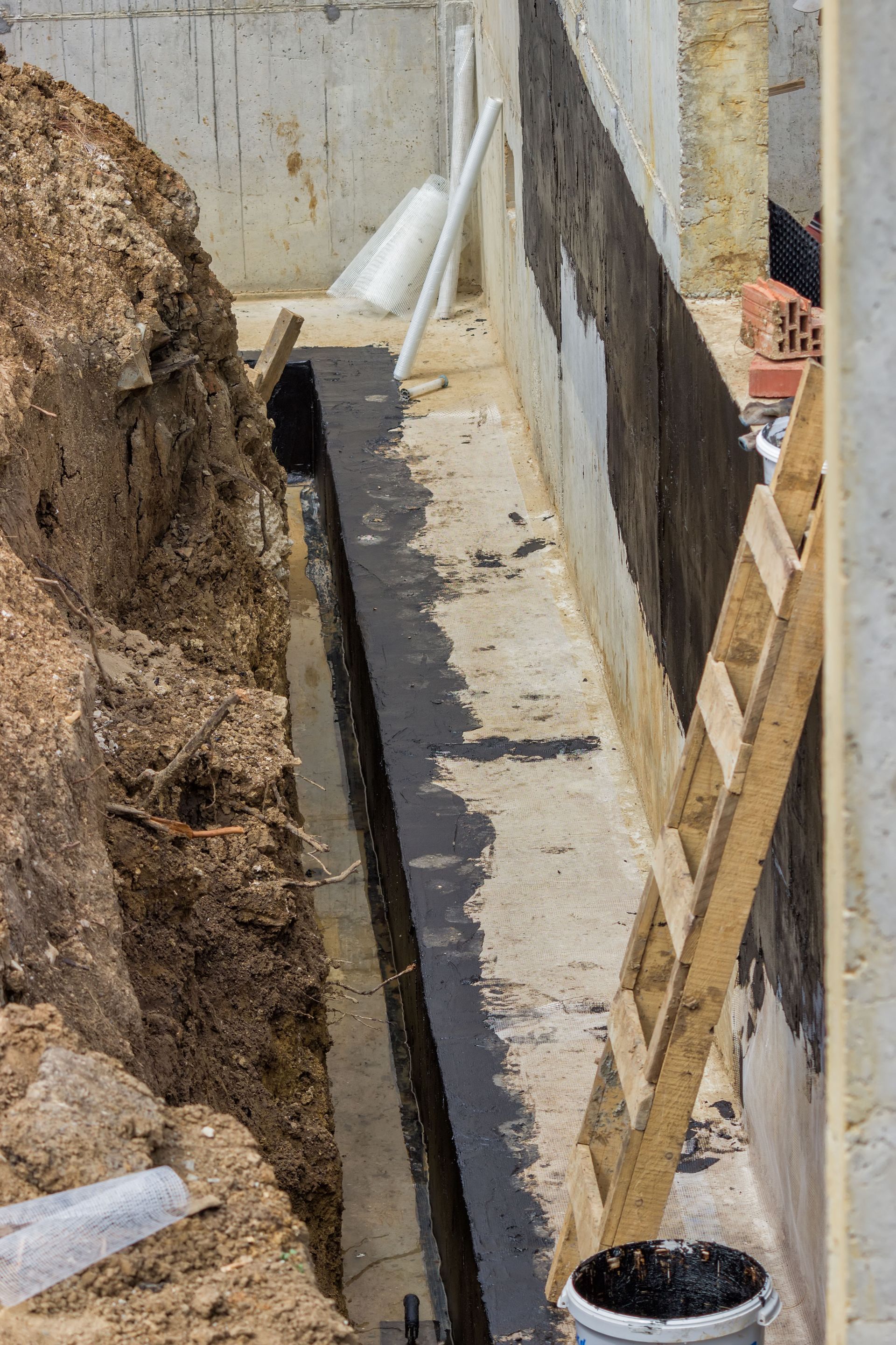
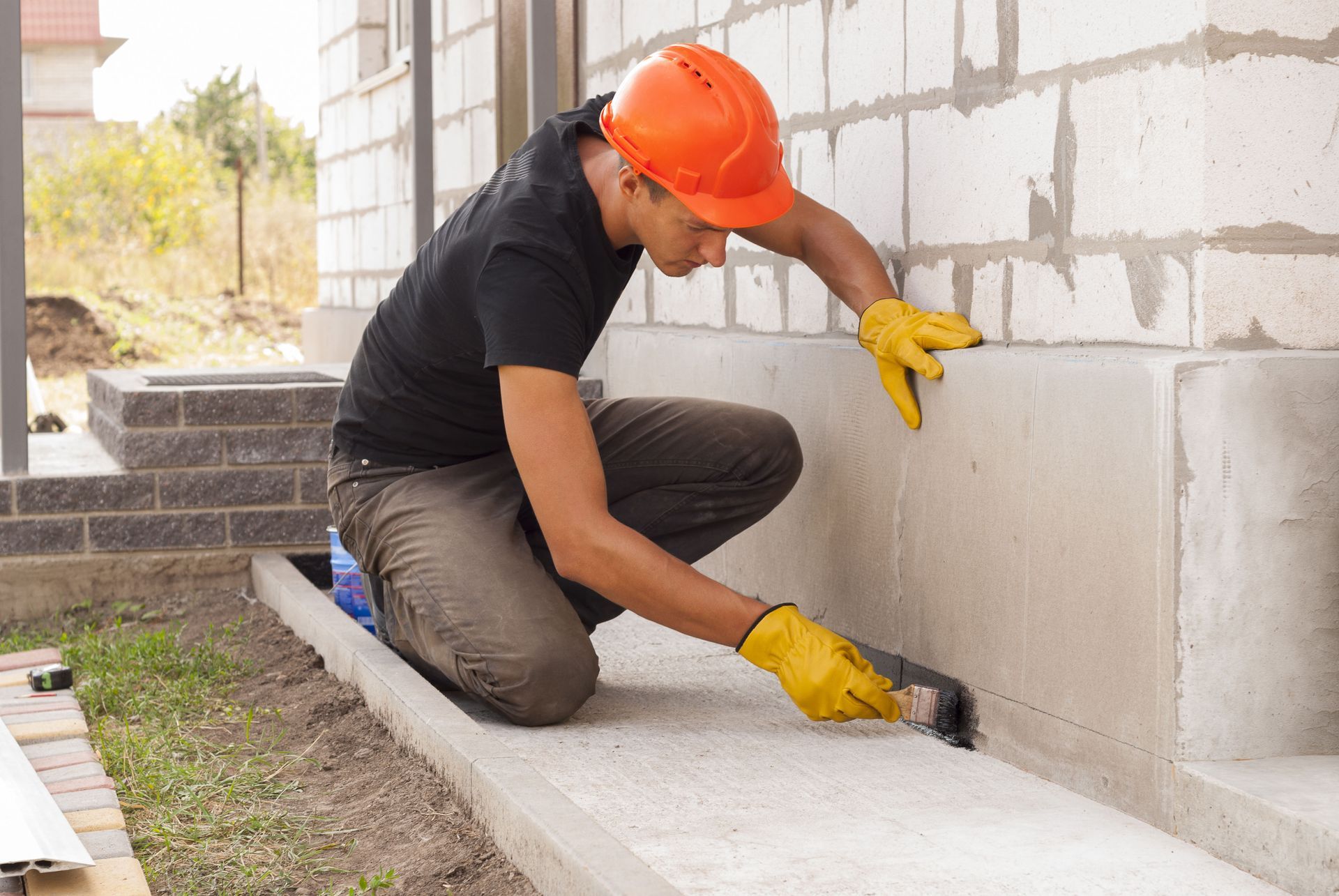
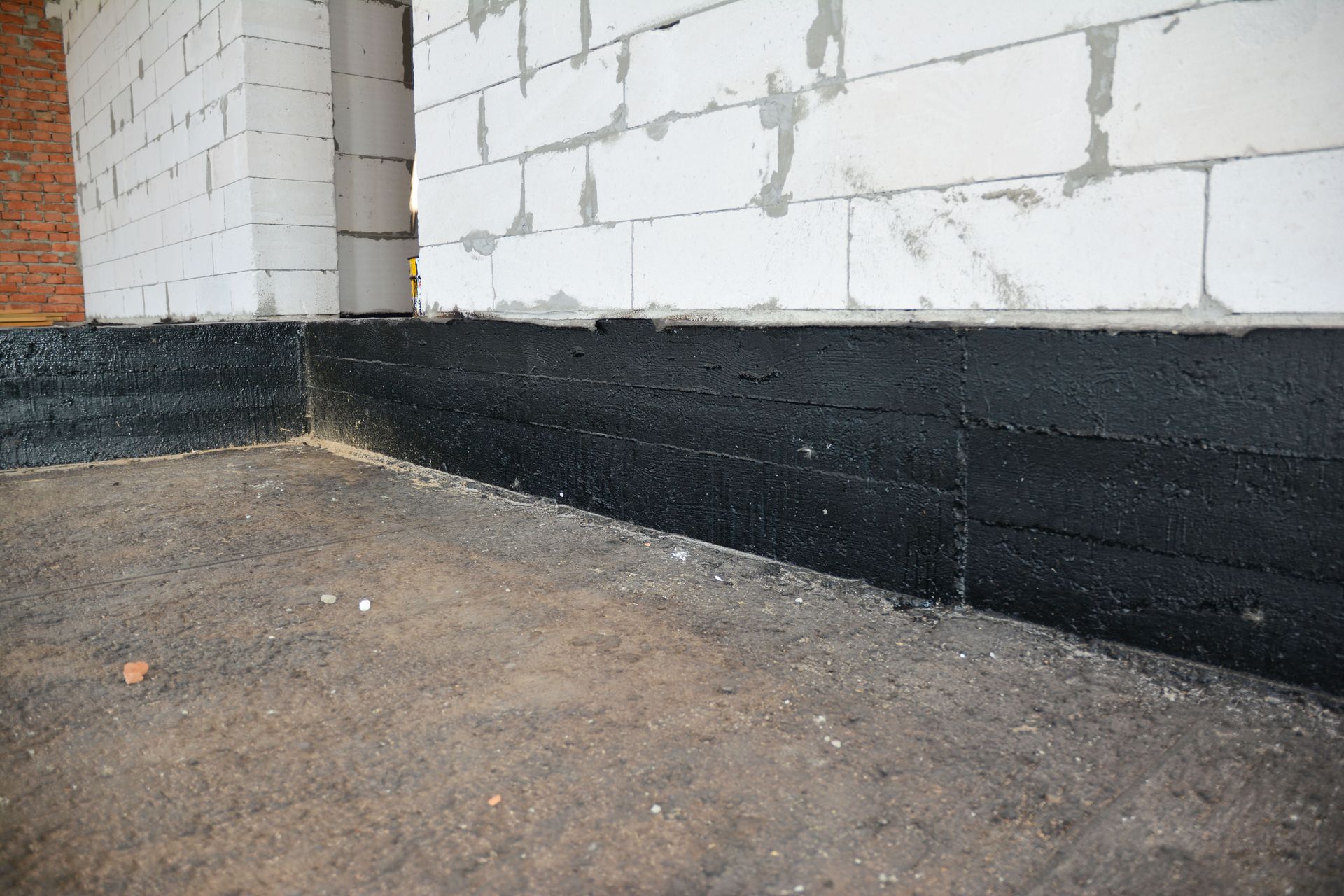
When exterior ground becomes completely saturated, water finds any small seam or crack in your lower walls. Investing in professional basement waterproofing seals your lower walls against continuous moisture penetration. Exterior membrane barriers block dampness from seeping into concrete blocks, while interior drainage channels collect any seepage that penetrates the wall line. Combining interior sumps with exterior barriers keeps lower living spaces completely dry.
Managing Sloped and Hillside Terrain
Steep properties need structural support to manage both heavy soil weight and fast-moving water runoff.
Building Sturdy Retaining Walls
Retaining walls provide essential support for steep slopes while helping manage surface water flow. These structures hold back heavy soil, preventing landslides and severe yard erosion during heavy downpours. Built-in weeping holes and gravel backing allow trapped water to escape from behind the wall rather than building up damaging pressure. Using durable materials like stone or concrete blocks ensures long-lasting performance for sloped yards.
Controlling Surface Soil Erosion
Fast-moving water strips away topsoil and damages root systems on sloped yards. Planting native grasses and groundcovers stabilizes the soil while naturally absorbing excess rainwater. Dense root networks bind the earth together, creating a natural shield against heavy rain. Combining strategic plantings with stone check dams slows down surface water speed and prevents deep gullies from forming.
Creating Tiered Landscape Steps
Terracing breaks a steep incline into a series of flat, manageable steps. This design slows down water as it moves downhill, allowing the moisture to sink harmlessly into the soil rather than rushing toward your home. Each flat step can host deep-rooted plants that further absorb groundwater. Terraced yards transform difficult slopes into attractive, functional spaces that naturally control water movement.
Safeguarding Basements and Sub-Grade Spaces
Lower living areas and below-grade spaces require targeted defense systems to withstand rising groundwater pressure.
Preventing Groundwater Pressure Accumulation
Hydrostatic pressure builds up when saturated soil pushes against buried foundation walls. This heavy pressure forces dampness through porous concrete, causing damp smells, peeling paint, or standing water. Implementing robust basement waterproofing measures helps relieve this pressure by giving trapped water an easy path of escape. Interior drainage tracks installed beneath the slab direct incoming groundwater straight to a discharge pump.
Securing Interior Wall Structures
Sealing interior concrete walls creates a clean vapor barrier that stops damp air from entering your home. Heavy-duty wall liners prevent moisture migration, turning damp lower levels into clean, usable storage or living spaces. Combining wall liners with active basement waterproofing protects finished walls and flooring from hidden water damage. Sealing small masonry cracks early prevents minor wall seepage from growing into major leaks.
Maintaining Outdoor Sump Equipment
Sump pump systems act as your final line of defense against heavy groundwater accumulation. As interior drainage channels collect water, the sump basin fills and automatically triggers the pump to push water outside through dedicated discharge lines. Regular maintenance, such as clearing debris from the basin and testing backup batteries, keeps your equipment operating smoothly. Reliable sump systems give homeowners complete peace of mind during prolonged rainstorms.
Addressing Urban and Compact Lots
Properties located in tight neighborhood layouts face unique drainage constraints due to close neighboring structures and limited green space.
Managing High Surface Runoff
Paved driveways and walkways prevent rainwater from absorbing naturally into the soil. On compact lots, this high surface runoff quickly moves toward building foundations or neighboring yards. Installing channel drains across driveways captures rushing water before it reaches garage entrances or side yard walkways. Directing drive runoff into proper discharge zones protects your home and keeps paved areas safe to walk on.
Managing water on unusual properties requires careful evaluation, custom planning, and reliable execution. From sloped yards to tight urban lots, keeping water away from your foundation safeguards your home's structural health and overall value. Combining proper surface grading and thorough basement waterproofing provides complete protection against water damage.
When you are ready to resolve moisture issues and safeguard your foundation, working with the dedicated team at All-American Waterproofing ensures practical knowledge, proven drainage solutions, and friendly service. To discuss your property's drainage needs or schedule an evaluation, contact All-American Waterproofing today.